+44 (0)1488 73322


Blog
11th October, 2024
Equine Ulcers: Why you should minimise cereals in your horse’s diet
By Boomerang Nutrition

Equine ulcers are a common but often misunderstood condition that can affect horses of all ages and disciplines. These painful sores form in the lining of the horse’s stomach, causing discomfort and potentially leading to more serious health issues. Whilst there are many contributing factors to equine ulcers, diet plays a significant role in both their development and prevention
Cereals and grains like oats, barley and maize are commonly fed, especially to harder working horses to provide a source of energy for work and condition.

However, if they are fed in larger quantities, their higher starch content can have a significant impact on a horse’s digestive health and integrity.
Understanding how cereals and grains impact your horse’s stomach health is key to maintaining a happy, healthy, and ulcer-free horse.
What are Equine Ulcers?
Equine ulcers, or Equine Gastric Ulcer Syndrome (EGUS), occur when the stomach lining is damaged, leading to open sores. The stomach of a horse is divided into two sections: the upper non-glandular portion, which lacks protective mucus, and the lower glandular section, which secretes acid but has more protection due to the production of mucus which protects the lining in the glandular section. The upper part is more susceptible to ulcers because it doesn’t have the same defensive mechanisms against the stomach’s acidic environment.
Common symptoms of Equine Ulcers (EGUS) include:
- Poor appetite or picky eating habits
- Weight loss or failure to maintain body condition
- Behavioural changes such as irritability or sensitivity to touch
- Decreased performance
- Colic-like symptoms
The Role of Starch in Equine Ulcers
Starch is a type of carbohydrate that is found in higher quantities in cereals and grains. Yet, while carbohydrates are an important energy source for horses, an excess of starch can cause significant digestive disturbances. There are a number of reasons why feeding cereals and grains, which are higher in starch, can exacerbate or even cause ulcers:
1. Increased Acid Production
Horses are trickle feeders, meaning they are designed to graze throughout the day, continuously producing saliva as they chew fibrous food like grass and hay, which helps buffer stomach acid. When a horse eats a large cereal-based meal, this unnatural feeding pattern causes a surge in stomach acid production with far less saliva passing into the stomach to neutralise the acid. Since grains are quickly digested, the horse’s stomach can be then left empty for long periods, allowing the acid to splash onto the unprotected upper stomach lining and potentially cause ulcers.
2. Undigested Starch Reaching the Hindgut
Horses have a relatively small stomach, and if large amounts of starch are fed, not all of it gets digested in the small intestine, passing undigested into the hindgut When undigested starch reaches the hindgut (where fermentation occurs), it can lead to a drop in pH, creating an acidic environment that contributes to gut imbalances, causing inflammation and discomfort. This condition, called hindgut acidosis, increases the risk of colic and can exacerbate gastric ulcers due to the overall digestive upset.
3. Disruption of Gut Microflora
Starch overload can disturb the delicate balance of beneficial bacteria in the horse’s digestive system. When undigested starch ferments in the hindgut, it promotes the growth of harmful bacteria that produce lactic acid. This acid lowers the gut’s pH, disrupting the microflora and leading to digestive issues that further aggravate gastric ulcers. Discomfort in the hindgut from acidosis will lead to stress and stress is also a major risk factor for the development of ulcers.
Why minimise Cereals for Horses Prone to Ulcers?
Given these adverse effects, it’s clear why feeding large amounts of cereals and grains is not ideal for horses prone to ulcers. Reducing or excluding them from your horse’s diet can help support:
Reduced Risk of Stomach Irritation
Trying to reduce or eliminate cereals and grains minimises the amount of starch entering the horse’s digestive system.
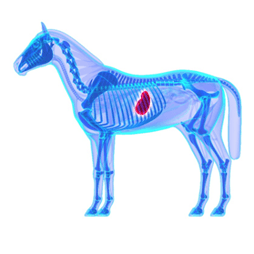
This leads to a more consistent digestive environment, reducing the likelihood of acid splashing onto the stomach lining and irritating it.
Improved Digestive Health
A diet lower in starch helps prevent the cascade of events that lead to hindgut acidosis and imbalanced gut microflora. By providing more natural forage, such as hay and grass, you create a more stable pH balance throughout the entire digestive system, reducing the risk of ulcers.
More Consistent Energy Release
Grains and cereals are often fed to horses to increase energy levels. However, the energy from starch is released quickly, leading to spikes in blood sugar and a “sugar high” followed by a crash. On the other hand, fibre-based diets that rely on forage like hay or copra meal (CoolStance Copra) offer a slow release of energy, better suited to horse’s natural digestive patterns. This slow release also helps maintain a more consistent digestive environment.
Feeding a more ulcer friendly diet
If you’re looking to avoid cereals and grains in your horse’s diet, there are plenty of alternative feeds that provide adequate nutrition to support an ulcer friendly diet without risking the onset of ulcers:
Forage and Fibre
High-quality forage like grass and hay should always form the foundation of any horse’s diet to provide energy for work and condition, and fibre for digestive health, and should always be fed on ad-lib basis so your horse is never without.

Alfalfa chaff can also be useful for ulcer-prone horses due to its high calcium content, which can help buffer stomach acid. Additionally, feeding forage or chaff before riding helps provide a fibre matt in the stomach which helps prevent acid from the glandular region splashing up into the squamous region as your horse is exercising.
Copra Meal
A fibre based feed like CoolStance Copra can be fed to provide slow-release energy to ulcer prone horses who are in regular work in the form of fibre and oil. The digestible fibre within CoolStance Copra also helps support and provide variety to the hindgut microbiome and is an excellent source of nutrition for an ulcer prone horse when fed alongside a high specification vitamin and mineral supplement like VitaStance Mineral Mix to help provide a fully balanced diet.
Ulcer friendly Supplements
Feeding a supplement which helps support a healthy pH throughout the entire digestive tract can be useful in both supporting horses with ulcers and helping to prevent them. UlcaBuf is designed to support correct pH under occasional gastric distress, helps provide a protective layer for the gut lining to protect against damage from high acid levels and provides pre and probiotics to support a healthy, balanced hindgut microbiome. UlcaBuf can be used as part of an ulcer friendly diet to help mitigate and prevent the cascade of events that lead to ulcers and help support overall optimal digestive health.
The connection between cereals, grains, and equine ulcers is undeniable. By understanding how starch overload affects your horse’s digestive system, you can make more informed decisions about their diet. Eliminating or reducing cereals and grains in favour of more natural, fibre-based feeds can have a significant impact on your horse’s gastric health, reducing the risk of ulcers and promoting overall well-being.
Remember, horses are naturally designed to graze and thrive on a high-fibre, low-starch diet. Keeping them as close to this natural diet as possible is one of the best ways to protect against the development of ulcers and ensure long-term health and happiness.
If you have any questions about creating the best diet and nutrition for your horse or pony, please contact 01488 73322 or info@boomerangnutrition.co.uk