+44 (0)1488 73322


Horses, as browsing herbivores, typically dedicate 16-18 hours a day to moving and grazing on a diverse array of plant-based fibre. This fibre travels through their digestive system in a slow, steady tickle, leading them to commonly be known as ‘trickle feeders’.
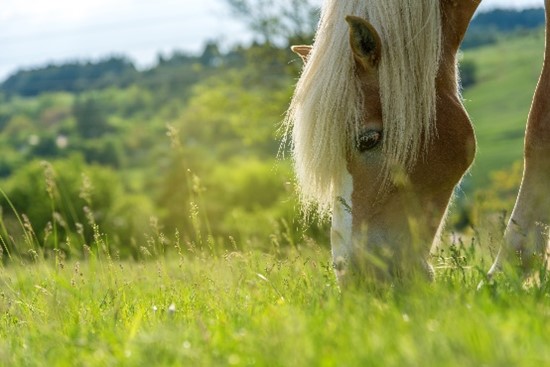
With a relatively small stomach and a large hindgut specialized for digesting a constant influx of fibre, horses are essentially ‘hindgut fermenters,’ a characteristic which is reflected in their digestive anatomy. Consequently, fibre is indispensable for maintaining the health and vitality of your horse, and should, therefore, preferably be available ad-lib.
Fibre should always be the foundation of a horses’ diet, keeping them happy and healthy – but what are the benefits of giving your horse a plentiful supply? In this fibre-focused blog we find out exactly why fibre is so important within your horse’s diet and how you can boost their intake for optimum digestive health:
Understanding Fibre
Fibre, a complex carbohydrate derived from plants, remains indigestible to your horse’s own enzymes. Instead, it undergoes fermentation within the horse’s hindgut, a process facilitated by billions of hindgut microbes, collectively known as the hindgut microbiome. The result of this fermentation is the release of Volatile Fatty Acids (VFA) which your horse can use as a source of energy.
Types of Fibre For Your Horse
Fibre presents itself in various forms, ranging from complex forages like grass, hay, haylage, and straw (known as roughage) to digestible fibres like copra meal and sugar beet.

Considering that the hindgut constitutes 60% of your horse’s digestive tract, the importance of fibre in their diet becomes evident.
The Benefits of Fibre For Your Horse
While fibre primarily serves to provide energy for horses in the form of Volatile Fatty Acids (VFAs), it provides many more health and nutrition benefits:
- Quality fibre plays a crucial role in maintaining hindgut microbial health and balance, essential for overall equine health and well-being.
- Fibre encourages the growth of beneficial bacteria, promoting a diverse and stable microbial community conducive to optimal digestive health.
- Fibre addresses the horse’s psychological need to chew, stimulating saliva production that buffers stomach acid, thus aiding in the prevention of gastric ulcers.
- Fibre forms a fibrous mat in the stomach’s glandular or ‘lower’ regions, preventing acid splash onto the more delicate squamous or ‘upper ‘areas, thereby reducing the risk of gastric ulcers.
- Fibre binds water, releasing it gradually during breakdown, therefore, establishing a small reservoir in the horse’s gut, which aids in hydration.
- Fibre stimulates peristaltic contraction, maintaining gut motility and expelling gas, thereby reducing the risk of certain types of colic.
- Adequate fibre intake keeps horses mentally stimulated, which is vital, especially when stabled for longer periods of time.
- The fermentation of fibre generates heat, acting as an internal heating system, crucial for maintaining warmth during colder seasons.
- The VFAs released from fibre fermentation can adequately meet the energy needs of horses across various levels of activity.
- Gut microbes synthesize essential B-vitamins like Biotin from forage fermentation, ensuring a natural supply of these vital nutrients.
Grass and Fibre
Ideally, horses should graze for 16-18 hours daily on high-fibre grasses, plants, and herbs, promoting natural dietary biodiversity that supports a healthier, more balanced microbial community in the hindgut.
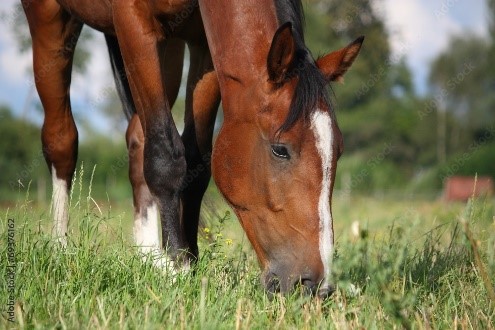
However, much of the current grazing land in the UK lacks this natural variety, often dominated by a single species like ryegrass (designed for grazing cattle), with lower fibre levels. Additionally, the high water content of grass (approximately 80%) also impacts fibre levels. Therefore, finding ways to increase your horse’s fibre intake throughout the seasons is essential to support optimal digestive health and provide fibre variety for healthier hindgut microbiome.
Tips For Increasing Fibre Intake
If your horse grazes 24/7, offering additional hay or haylage in the field can significantly boost their fibre levels and it is likely your horse will be keen to consume it, due to their natural inclination to browse varied forage.
In addition to extra forage, CoolStance Copra complements a high-fibre diet exceptionally well. Naturally rich in a blend of digestible fibres, CoolStance Copra is ideal for enhancing both fibre levels and diversity in your horse’s diet.
Depending on your horse’s workload and condition, CoolStance Copra can be fed up to 3kg per day. Even smaller amounts provide added fibre diversity, supporting your horse’s hindgut microbes and maintaining balance and health.
The highly digestible fibre in CoolStance Copra also serves as an excellent source of slow-release energy for horses in regular work or needing additional condition, offering a range of benefits that optimize digestive health.
If you have any questions about creating the best diet and nutrition for your horse or pony, please contact 01488 73322 or info@boomerangnutrition.co.uk.