+44 (0)1488 73322


Blog
26th May, 2026
Fillers, Binders and Molasses: What Are They? and Should You Avoid Them?
By Boomerang Nutrition
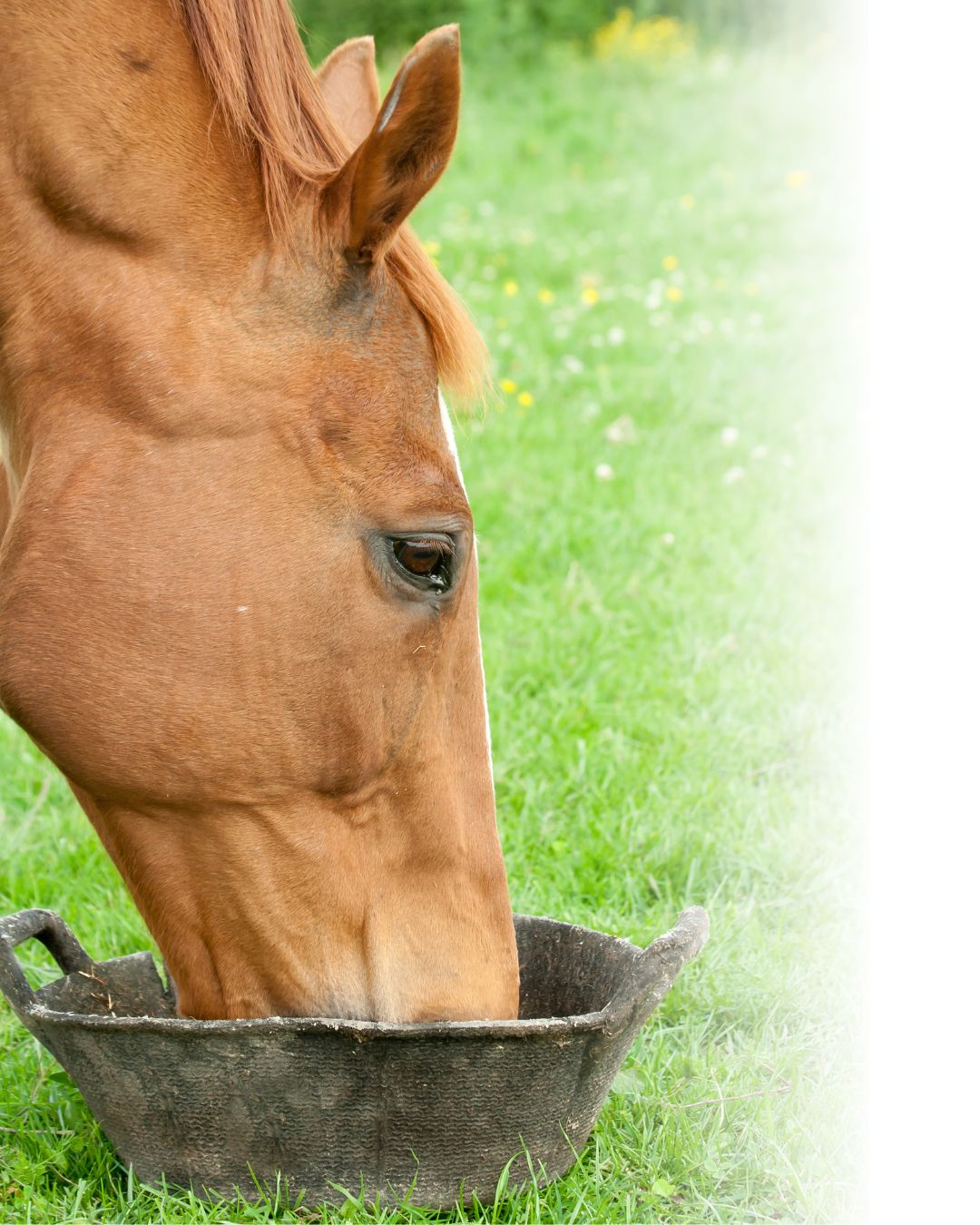
Feeding our horses should feel simple. High‑quality forage, balanced nutrition, and feeds that genuinely support health, well-being and performance, designed to meet your horses needs. Many feeds on the market contain ingredients such as fillers, binders, and molasses. Understanding the ingredients in feeds can be a challenge for owners trying to make the best choices for their horses.
Understanding what these ingredients do, why they’re used, and how they may affect sensitive horses can help you make more informed decisions and build a diet that supports your horse.
What are fillers, binders and molasses?
Fillers
Fillers are ingredients that are added to bulk out a feed without significantly impacting its nutritional value. They are often cheaper by‑products from other industries, such as:
- Wheatfeed / wheat middlings
- Oatfeed
- Hull or bran by‑products
- Other low‑value fibre fractions
While some of these can still contribute fibre, they are often used to reduce cost rather than to provide targeted nutrition. In some horses, poorly digestible fillers may increase the risk of digestive upset, affect hindgut imbalance and potentially introduce a higher mycotoxin load.
For sensitive horses, relying on higher‑quality, more natural fibre sources can be a better option
Binders
Binders are ingredients commonly added to pelleted feeds to effectively hold feed particles together. This helps to ensure that the product stays intact during manufacture and transports and ensure dust levels are reduced. Common binders include molasses, lignin, bentonite clay, or natural gums. In some horses, certain binders may irritate the digestive tract or could contribute to gut sensitivity.
Molasses
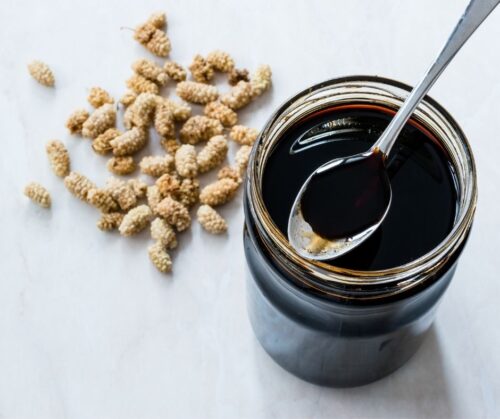
Molasses has been commonly used in horse feeds for a long time but is something that many owners will now look to reduce or avoid. It is added to feeds for sweetness and palatability, used as a binder and to control dust levels. Molasses has been commonly used in horse feeds for a long time but is something that many owners will now look to reduce or avoid. It is added to feeds for sweetness and palatability, used as a binder and to control dust levels.
Why Are These Ingredients Used?
Manufacturers include fillers, binders, and molasses for three main reasons:
- Cost Efficiency – Fillers reduce production costs by using cheaper by‑products.
- Palatability – Molasses and some fillers make feeds taste sweeter and more appealing.
- Feed Structure – Binders help pellets and cubes hold their shape for easier storage and handling.
These benefits make sense from a manufacturing perspective and can help keep feeding cost effective for owners but they don’t always align with what’s best for your horse, especially those with health or behavioural sensitivities. It is important to understand your horses individual needs and seek advice if required. Our team are always on hand if you need some support.
Why Do Some Horses Struggle With These Ingredients?
Digestive Sensitivity
Horses with digestive sensitivities may be affected by low‑quality fillers or certain binders. Potential issues include:
- loose droppings or diarrhoea
- increased risk of digestive upset
- hindgut microbial imbalance
- irritation in horses with ulcers or colitis
Fillers such as wheatfeed or oatfeed can also carry a higher risk of mycotoxin contamination, which may further compromise gut health. If you are worried about mycotoxin risks you can read more here.
Metabolic Conditions
Horses with EMS, PPID (Cushing’s), laminitis, or insulin dysregulation often cannot tolerate sugary feeds. Feeds including molasses can:
- spike blood sugar
- worsen insulin resistance
- contribute to weight gain
- increase laminitis risk
For these horses, low‑NSC (non‑structural carbohydrates), high‑fibre diets are essential.
Allergies & Intolerances
Just like humans, horses can react to certain feed ingredients. Fillers or binders may trigger:
- skin irritation
- respiratory flare‑ups
- digestive upset
Behavioural Changes
Some horses become excitable or “fizzy” when fed higher‑sugar feeds. For performance horses or those needing calm, focused energy, a low‑sugar, high‑fibre approach can be far more beneficial and effective.
What Are The Healthier Alternatives for Sensitive Horses?
There are wide range of high fibre, filler‑free, low starch and sugar options that can help support digestive health, metabolic balance, and overall wellbeing.
Forage‑Based Diets
Forage should always be the foundation of the diet. Pairing good quality forage and access to good grazing with a comprehensive vitamin and mineral supplement fed in an unmolassed chaff or high‑fibre mash creates a simple, natural, and highly digestible ration or based feed to build from. Good quality complete feeds can also be considered but ensure you understand all of the ingredients and feed at the recommended rates.
Low‑Sugar, Low‑Starch Feeds
Feeds with low NSC are ideal for horses with metabolic issues or sugar sensitivity. CoolStance Copra is naturally low in NSC and rich in digestible fibre, supporting condition and energy without compromising metabolic health.
Naturally Nutritious, Filler‑Free Options
Feeds like Copra meal (CoolStance Copra) contain no fillers, no molasses, and no unnecessary additives. Made simply from the white part of the coconut that is baked, dried, and ground. It provides:
- high‑quality fibre
- cool, steady energy
- essential fatty acids
- natural, easily digestible nutrition

Fillers, binders, and molasses aren’t inherently “bad” but they aren’t suitable for every horse. If your horse has a sensitive digestive system, metabolic challenges, behavioural reactivity or allergies or intolerances then formulating a feeding regime that is forage focussed, high in fibre with low‑sugar and starch and free from unnecessary additives can make a significant difference to their comfort, behaviour, and long‑term health.
Understanding what goes into your horse’s feed empowers you to make choices that truly support their wellbeing.
After all, you get out what you put in.
If you’d like dedicated advice on the best diet for your horse or pony, we’re always happy to help, all you need to do is get in touch.